AXIS Dance Company, based in Oakland, California, is one of the world’s most acclaimed mixed-ability dance companies, utilizing dancers with and without disabilities in works by renowned international choreographers. The unique abilities of each dancer are integrated into an ensemble that models an alternative to the status quo where access to dance training and performance is usually limited to typically abled bodies. Their differences provide texture and interest rather than being addressed specifically in the work as disabilities. They are currently on a national tour with three works that showcase the virtuosity and versatility of the company. I saw them recently at Dance Place in Washington D.C.
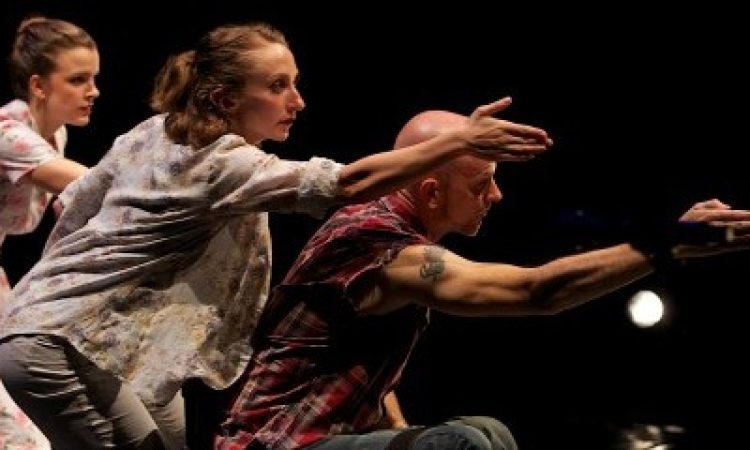
Dix minutes plus tard (Ten minutes Later) is a tightly choreographed duet by Sonya Delwaide. The dancer’s limbs encircle and interlock, utilizing heads and chins as much as arms and legs as they push, pull, and hook. The dancers perform the graceful movements with boldness and weight, which lends a sense of heightened drama, as does the music by Shubert.
In Divide, by Marc Brew, the dancers move with machine-like precision, highlighting form, space, and time. Their carving and undulating movements snap crisply into lines and angles as they move along a jagged line of light on the floor. In one trio, with one dancer in a wheelchair and two not, dancers anchor one another as they spin through space. The chair adds an exciting element of weight and momentum to the dynamic trio. They move as one weaving unit, flying over and around each other with arching, acrobatic lifts.
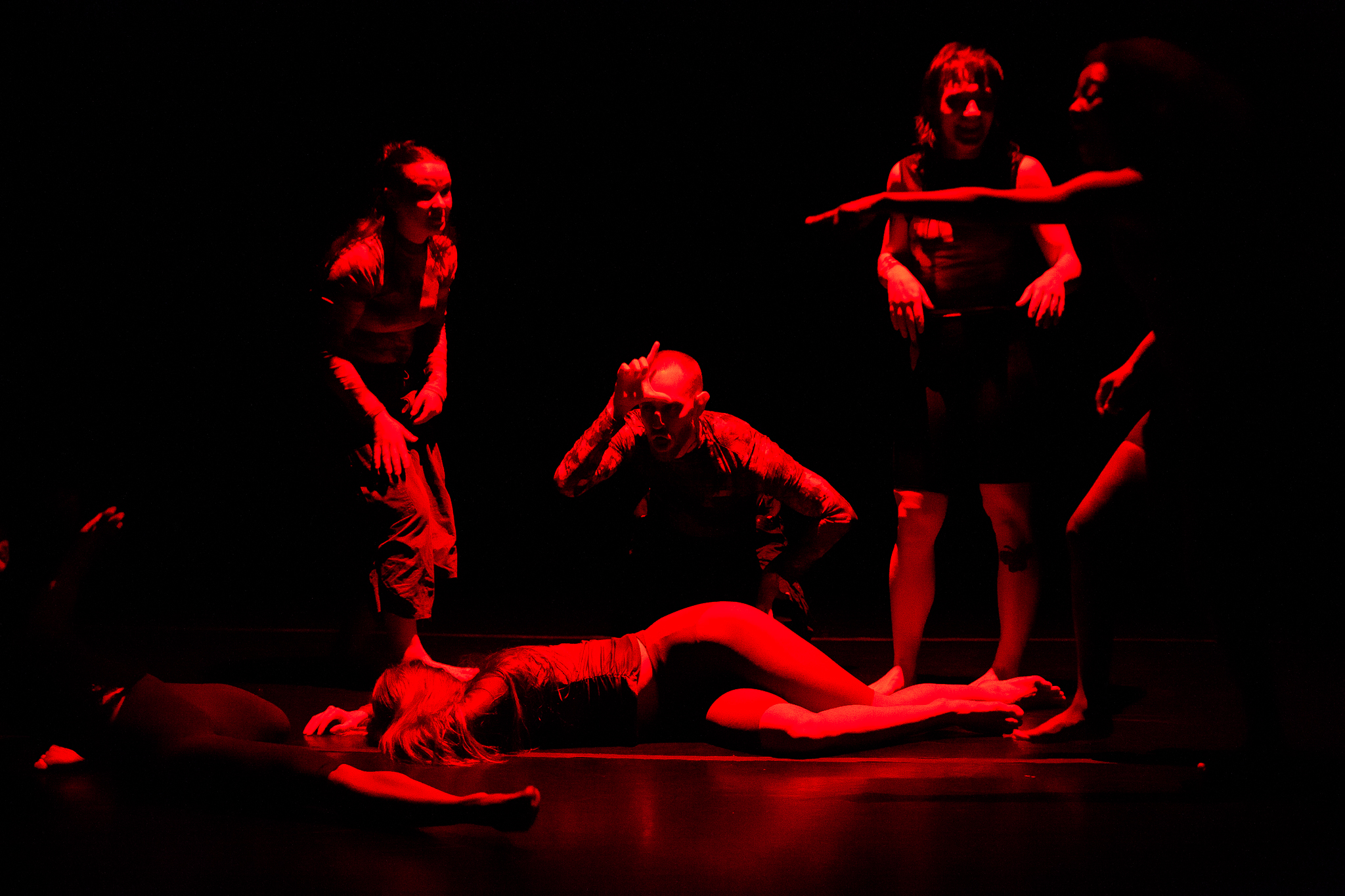
The main feature of the evening is to go again, created by Joe Goode. For this piece, Goode and the dancers interviewed wounded war veterans and their family members about their struggles coming back to civilian life. Pieces of their stories are woven together in a series of short scenes that create a collage rather than a narrative. They form an image of the ambiguous space between hope and despair; between moving forward and knowing that everything has changed. The dancers speak and sing the lines with vulnerability and candor. Their movement highlights aspects of each story and adds visceral substance and the weight of embodiment to the text. We see bodies moving with vigor and determination and lounging with cool confidence. We see imploring, falling, and leaning, arms outstretched in surrender. We see a group of people lunging and diving and then snapping into incessantly repeated gestures, subtle changes in arm position making the difference between attack, defense, and salute. With these bodies in front of us, we get a palpable sense of the repeated line from the beginning of the piece: “These are real words, from real people; people who lived through difficult circumstances. And who doesn’t have difficult circumstances?”
AXIS Dance Company, Dance Place, Washington D.C., May 14-15, 2016. http://www.axisdance.org/