PS #13: Continuity vs. Change

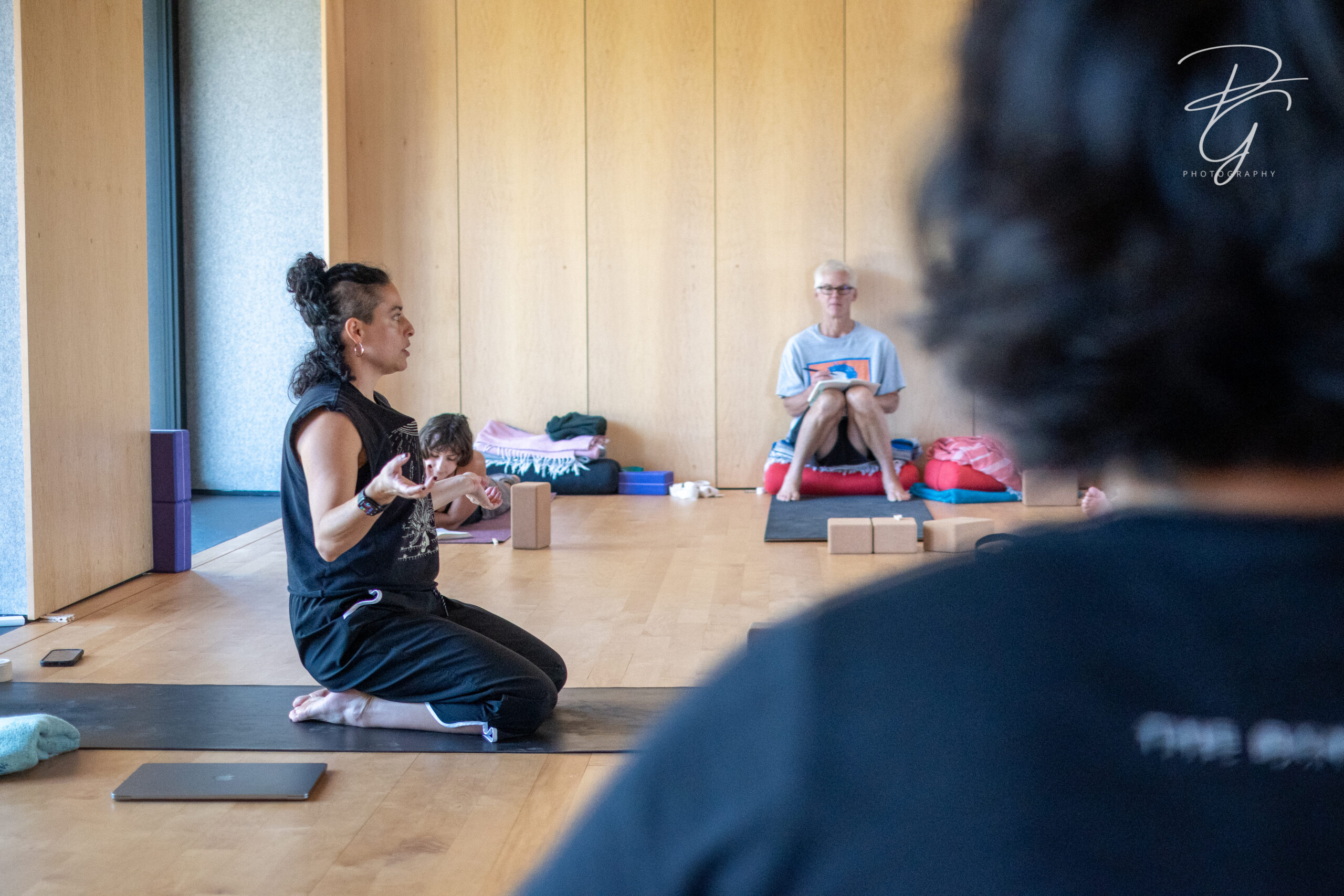
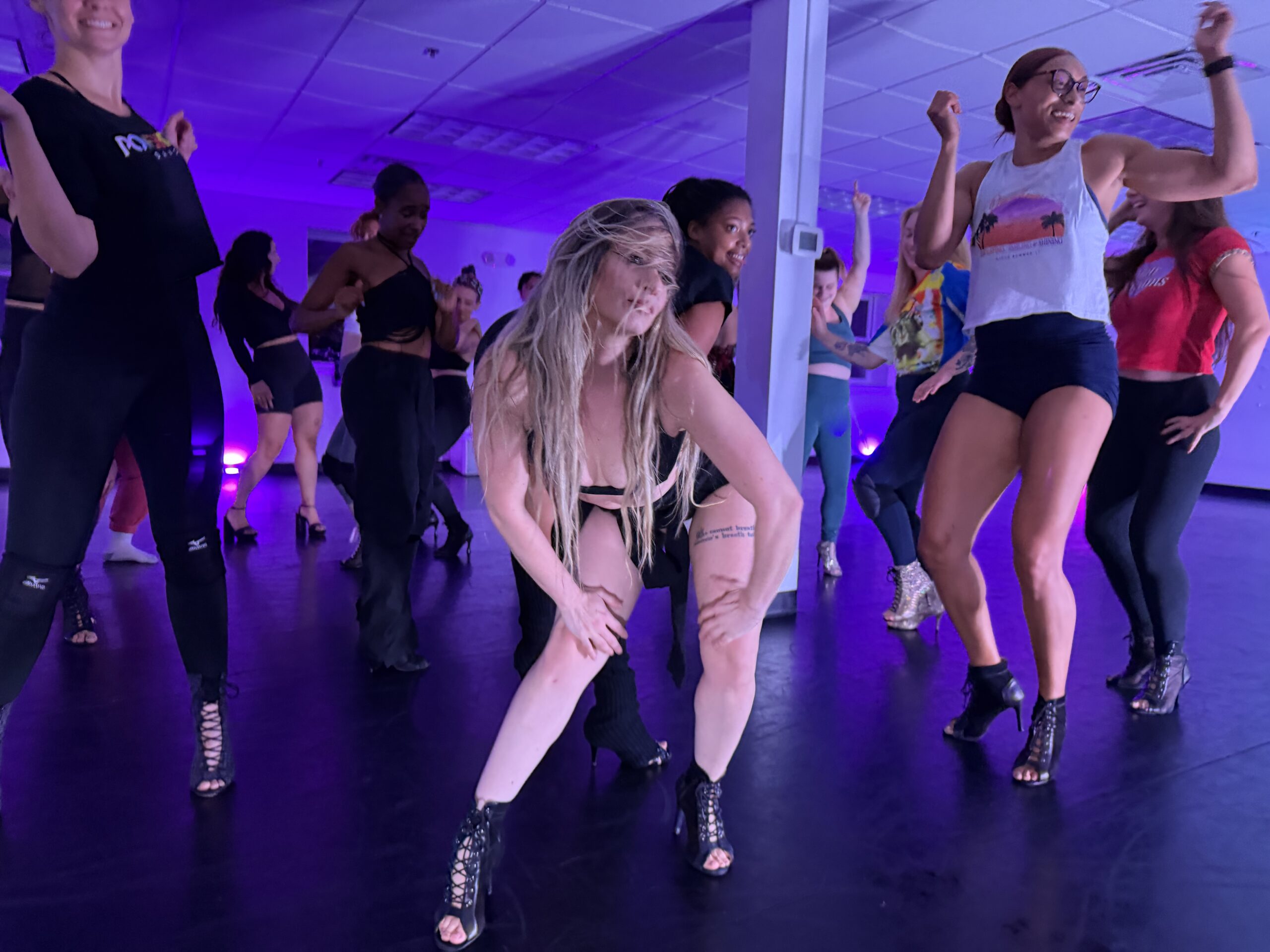
Some choreographers make work that’s radically different show to show. Some make what looks like the same dance  over and over with different costumes, music or settings. Some move from one mode to the other. How do you think continuity and change is best thought about in the course of an artist’s career? Examples?


Share this article

PARTNER CONTENT

Keep Reading

My Tongue is a Blade, is a Blade, is a Blade

Caedra Scott-Flaherty

Sweat Variant’s new durational work tests the limits of attention.

Performers Bria Bacon and Okwui Okpokwasili, both Black women wearing black, stand in the middle of a spinning structure at the center of the room, surrounded by a seated audience. The structure is round with a black bottom and reflective panels about 8 feet tall surrounding it. Through the spaces between the panels, Bacon and Okpokwasili are seen standing close together, facing each other. Becon's knees and arms are bent. Okpokwasili has a hand on Bacon's head and gazes above it.
Photo: Ava Pellor

Joy in SPEAK

Emilee Lord

When Masters Converse

From left to right, dancers Dormeshia, Rachna Nivas, Rukhmani Mehta and Michelle Dorrance. They are in motion. Dormeshia and Dorrance wear white pants, thigh length white tunics, and tap shoes. Nivas and Mehta wear white leggings, long white dresses with golden details on the skirts and bodices. They have bands of bells around their ankles and are barefoot. The tap dancers have a quality of bending and sending energy into the floor. The Kathak dancers are lifted, arms raised, poised.
Photo: Richard Termine